What Is a Mortise Lock and Why Do So Many Charlotte Homes Have Them?
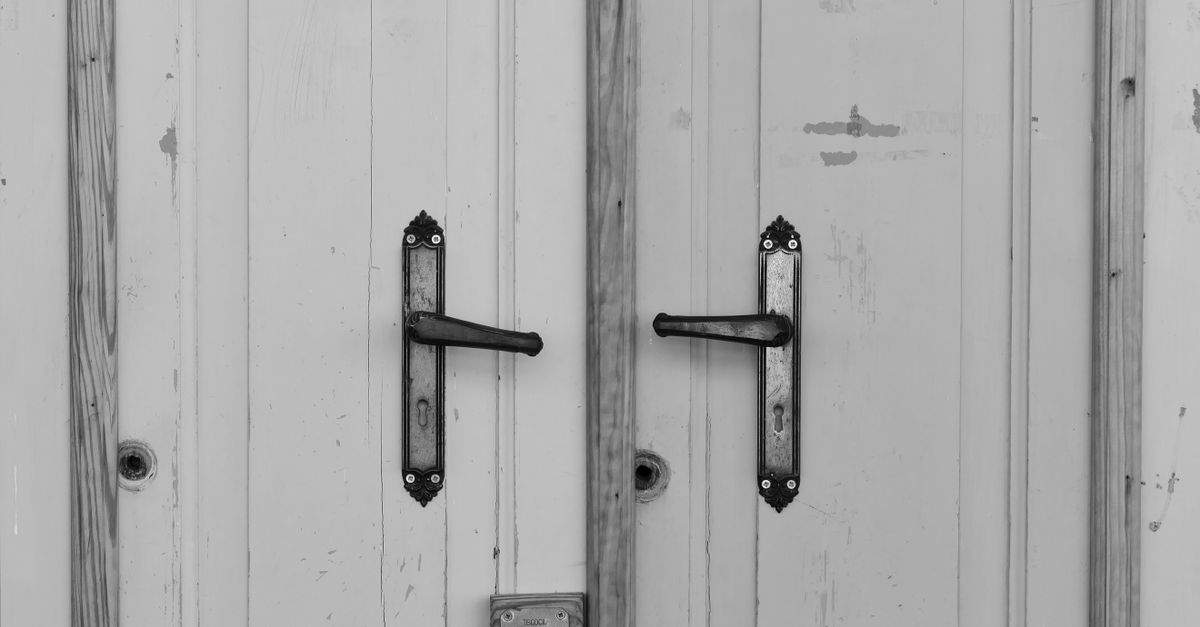
A mortise lock is a lock mechanism that is set into a deep rectangular pocket — the mortise — cut into the body of the door. Instead of a simple cylindrical borehole like most modern hardware, the mortise cavity houses an entire self-contained unit: a case containing a latch bolt, a deadbolt or night latch, a cam follower for the door knob or lever, and one or more cylinder ports. The external trim — knobs, levers, escutcheon plates — threads through the door to engage that internal case. This construction makes mortise locks inherently more resistant to kick-in and prying forces than surface-mounted alternatives, which is why architects and builders specified them heavily from the 1890s through the mid-1960s. Charlotte neighborhoods platted during that era, including Fourth Ward, Wilmore, and Elizabeth, are filled with doors that still carry these original mechanisms. Many homeowners are surprised to find that the ornate brass hardware on their 1920s front door is still functional — it just needs a skilled hand to bring it back to peak performance.
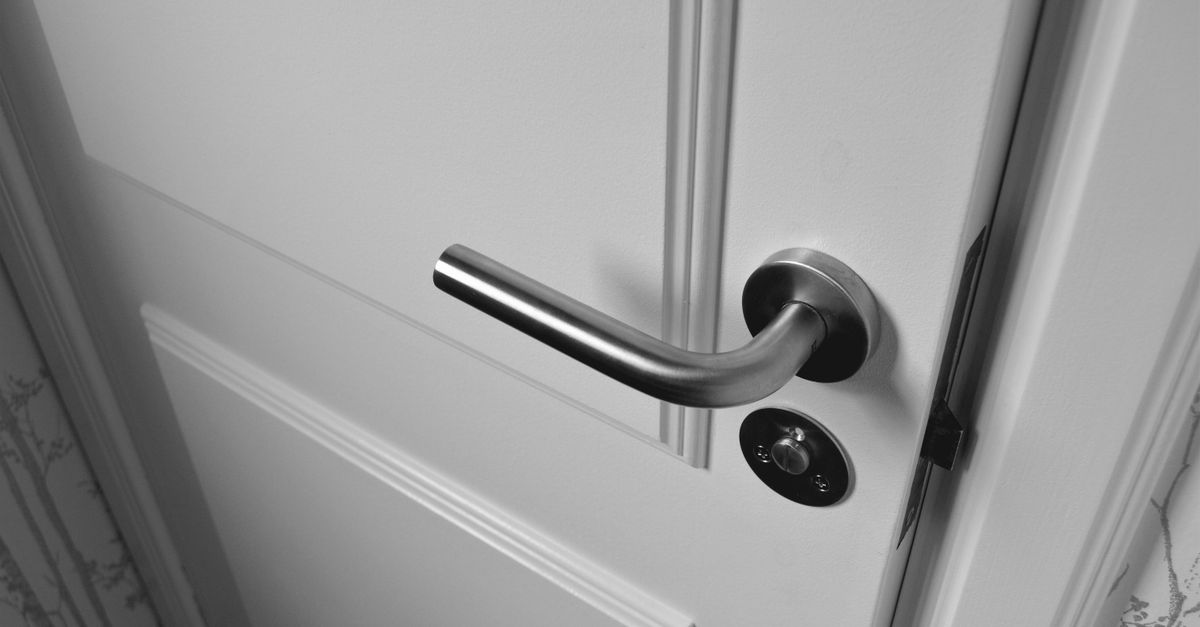
A mortise lock set on an exterior door typically includes the lock body itself, a mortise lock cylinder (the keyed plug you insert your key into), a tailpiece that transfers rotation into the lock case, and the trim hardware on both faces of the door. Each of those components can wear out independently, which is both the challenge and the advantage of this design: a trained locksmith can often replace only the failed part rather than the entire unit, saving the door's original character while restoring full security.